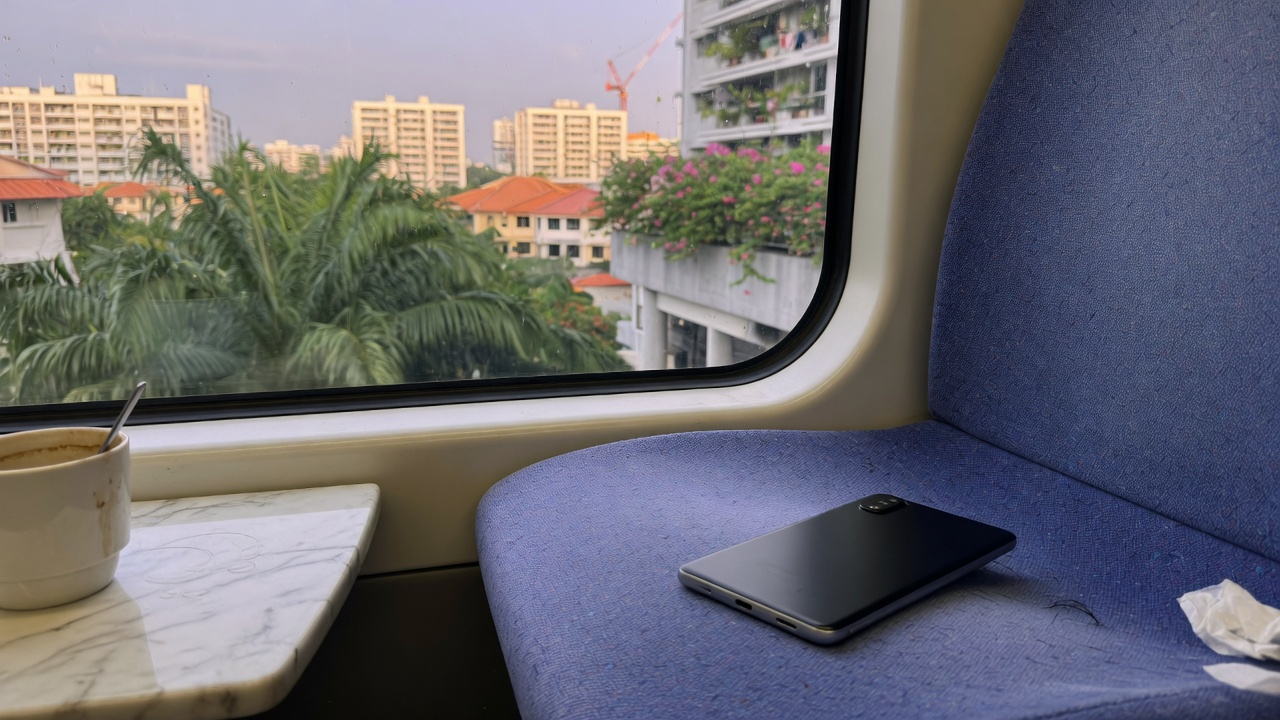
“Phone breaks are in a way the new smoke breaks.”
Phone anxiety refers to a pattern in which phone-related situations trigger disproportionate fear, dread, or avoidance. The trigger may be an incoming call, the need to make a call, an unknown number, a misplaced phone, or the possibility of losing internet or cellular access. Although the trigger appears technological, the underlying process is psychological: the phone becomes associated with uncertainty, exposure, urgency, or loss of control. This pattern often looks minor at first. People may tell themselves that they simply dislike calls, prefer texting, or want to stay prepared. However, anxiety rarely remains static when avoidance is left unchallenged. Once the person starts consistently escaping the discomfort, the mind learns that the trigger must indeed be threatening. The phone then acquires even more psychological power, and the person becomes increasingly reliant on avoidance and safety behaviours to feel settled.
Many people experience a brief surge of nervous system activation when their phone rings unexpectedly or when they realise they cannot immediately locate it. That reaction alone is not unusual. The problem start arising when the person begins organising life around preventing that discomfort at all costs. For example, someone may repeatedly avoid calls, keep multiple back-up systems in place, or feel unable to function calmly without constant access to the phone. At that point, the issue stops being a passing preference and starts functioning as an anxiety pattern. For example, a person may avoid answering calls because the uncertainty feels unpleasant. They may then rely on chargers, spare devices, constant checking, or rigid habits to avoid the possibility of disconnection. In the short term, these strategies can appear effective because they reduce immediate discomfort. Over time, however, they narrow flexibility and increase dependence. This escalation matters at the level of daily functioning. The person who never answers unfamiliar numbers may miss something genuinely important. The person who cannot tolerate brief disconnection may become increasingly distressed in environments where internet access is limited or where the phone is temporarily unavailable.
Phone anxiety persists because avoidance often feels reasonable. If answering a call produces dread, then ignoring it brings relief. If losing connection feels unbearable, then carrying multiple safeguards brings reassurance. The nervous system interprets that relief as evidence that the protective behaviour was necessary. In this way, avoidance becomes negatively reinforced. The person does not merely prefer safety behaviours; they begin to depend on them. The result is a familiar anxiety cycle. Anticipation of the trigger produces bodily arousal, the person avoids or over-prepares, relief follows, and the brain becomes more convinced that the situation was dangerous.
Managing phone anxiety
1. Prepare
Preparation reduces anticipatory chaos. Concretely planning likely responses to statements, thinking through the goal of calls, and keeping notes nearby during the conversation can all help mitigate the anxiety experienced. Specifically, thinking through possible scenarios in advance, from short disruptions in signal to complete loss of phone access, and deciding how to cope in those scenarios can help to combat anxiety. This step is useful because anxiety thrives in ambiguity. Once the person clarifies what they might say, what the call is for, or what they would do without immediate access to their device, the trigger becomes less amorphous. Preparation does not eliminate anxiety completely, but it reduces the sense that the situation is unmanageable.
2. Practice
Practice translates preparation into exposure. Tolerance of phone anxiety can be built by beginning with tasks that remain within tolerance, such as calling automated hotlines or asking simple questions like restaurant opening hours. For phone-separation anxiety, deliberately creating short “lull” periods during the day where you intentionally disconnect from your phone, such as during commutes, meals, or parts of the sleep routine can also help to weaken anxiety through graded contact. Someone who repeatedly survives small phone-related discomforts without escaping begins acquiring evidence that the feared situation is tolerable. Doing so helps to build confidence that one can indeed survive without using their phone.
3. Progress
Progress is non-linear. Some days will involve movement forward, while others will feel like a step back. That framing is clinically useful because anxiety work often collapses when people interpret temporary setbacks as proof that change is not happening. A more realistic standard focuses on trends rather than perfection. If the person gradually becomes more able to answer calls, tolerate uncertainty, or survive brief disconnection without escalating into panic, then improvement is occurring even if discomfort remains. Growth in anxiety treatment often looks like increased tolerance before it looks like ease.
Support
Phone anxiety should be taken more seriously when it begins limiting behaviour in ways the person cannot easily reverse. That includes persistent refusal to answer or make necessary calls, excessive reliance on safety devices or rituals, strong distress when briefly disconnected, and growing difficulty functioning without immediate access to the phone. At that stage, the problem is no longer just irritation or preference. It has become a form of avoidance that constrains flexibility. Support becomes especially relevant when you recognise the pattern but feel unable to shift it alone.
Conclusion
Phone anxiety deserves more serious attention than it often receives. It can begin with a simple surge of dread around a ringtone, an unknown number, or a missing device, yet gradually expand into a broader system of avoidance, over-preparation, and dependency. The problem does not lie in phones themselves. The problem lies in how quickly ordinary discomfort can become organised into a rigid coping pattern. A more useful response starts with recognising the pattern clearly. Prepare for the feared situation. Practise manageable forms of exposure. Expect progress to be uneven. When necessary, seek support rather than waiting for the anxiety to organise more of daily life around it.