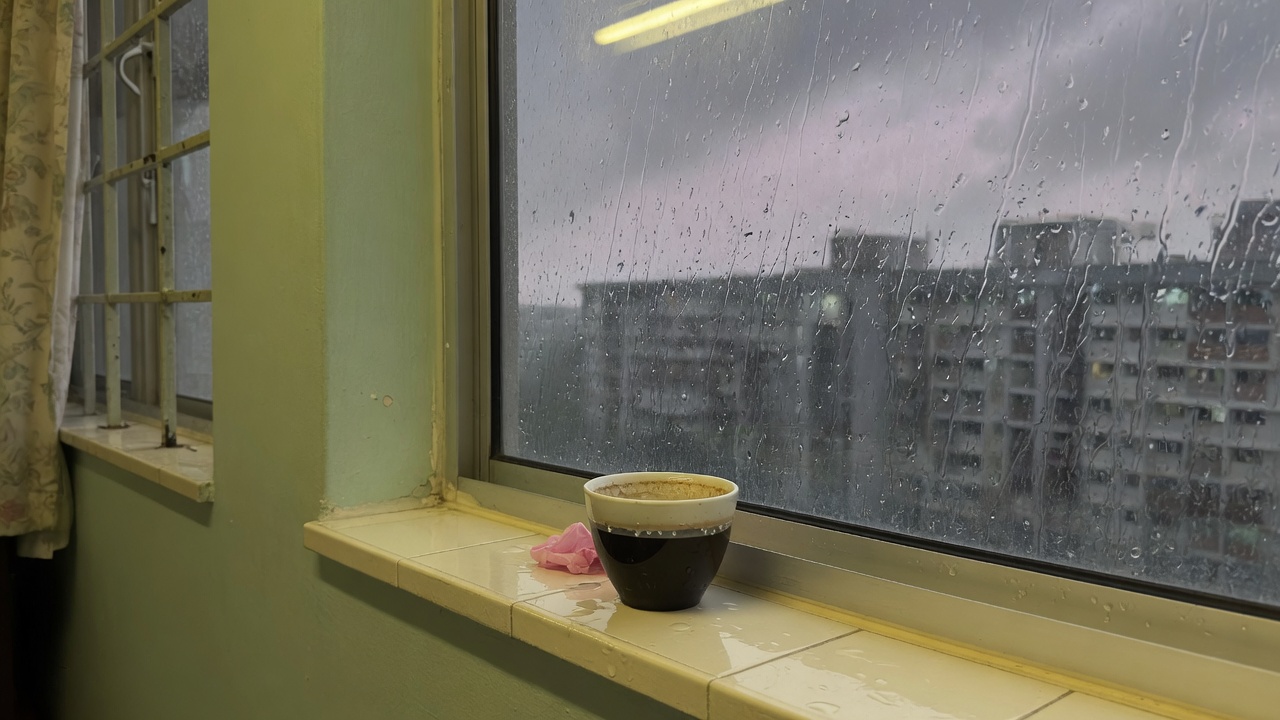
Seasonal affective disorder (SAD) is a form of depression that follows a recurring seasonal pattern. It usually begins in late autumn or winter, when daylight hours shorten, and then improves in spring or summer as light exposure increases. Although most cases follow a winter pattern, a smaller number follow a spring or summer pattern instead.
This condition differs from ordinary seasonal dislike or temporary low mood. SAD produces depressive symptoms that recur in the same season and interfere with daily functioning. In other words, the issue is not simply that winter feels unpleasant; rather, mood, energy, sleep, appetite, and motivation shift in a patterned and clinically meaningful way.
The disorder also sits within the broader category of depression rather than outside it. That point matters because people often minimise the problem by calling it “winter blues,” even when the symptoms include hopelessness, withdrawal, impaired concentration, and, in severe cases, suicidal thinking. Therefore, seasonal affective disorder requires the same seriousness that any depressive condition requires.
SAD usually presents with the core features of depression. These features include persistent low mood, reduced interest or pleasure, fatigue, difficulty concentrating, and a noticeable decline in motivation. Because the disorder follows a seasonal pattern, these symptoms tend to return around the same time each year rather than appearing randomly.
Winter-pattern seasonal affective disorder often carries a specific symptom profile. People commonly sleep more than usual, struggle to get out of bed, crave carbohydrates, gain weight, and feel slowed down both mentally and physically. For example, a person may remain technically functional yet feel as though ordinary life has become heavy, effortful, and emotionally dim.
Summer-pattern seasonal affective disorder tends to look different. People more often report insomnia, reduced appetite, weight loss, agitation, and anxiety rather than oversleeping and overeating. This difference matters because not all seasonal depression looks lethargic or “hibernation-like,” and the symptom pattern can shift depending on the season in which it occurs.
The condition also affects social and occupational functioning. People often withdraw from friends, reduce activity, and stop engaging with routines that previously felt manageable. As a result, seasonal affective disorder can erode support, worsen isolation, and increase the difficulty of recovery if it goes unrecognised.
Factors contributing to SAD
Seasonal affective disorder appears to arise from the interaction between seasonal light change and biological vulnerability. Reduced daylight can disrupt the body’s circadian rhythm, which helps regulate sleep, alertness, and mood. When the light-dark cycle shifts, the brain may struggle to maintain stable timing across these systems.
Certain factors increase the likelihood of seasonal affective disorder. Firstly, changes in light exposure may also affect brain chemistry. Lower light levels are associated with reduced serotonin activity, and serotonin plays an important role in mood regulation. At the same time, darker conditions can increase melatonin-related effects, which may contribute to sleepiness, sluggishness, and the sense of moving through winter in a dulled or slowed state. These mechanisms help explain why the disorder follows a seasonal pattern rather than a random one. The central issue is not weakness, lack of discipline, or poor attitude; instead, seasonal changes appear to alter biological systems that regulate mood, sleep, and energy. Therefore, the disorder reflects a real interaction between environment and physiology rather than a mere dislike of winter. Secondly, people who live farther from the equator face shorter and darker winter days, and that greater seasonal light shift appears to increase risk. In practice, geography matters because the environmental trigger becomes stronger as winter daylight declines more sharply. Thirdly, mood history matters. People with depression, bipolar disorder, or a family history of mood disorders appear to face higher risk. This pattern suggests that seasonal affective disorder does not arise in a vacuum; instead, it often emerges in people whose mood systems already carry some degree of vulnerability. Lastly, sex differences impact outcomes. Women are reported to experience seasonal affective disorder more often than men. Although prevalence does not explain causation by itself, it still matters clinically because it helps identify groups who may need closer screening when seasonal symptoms emerge.
What to do
Seasonal affective disorder requires professional attention when symptoms move beyond discomfort and begin affecting functioning. Persistent sadness, low energy, concentration problems, social withdrawal, marked changes in sleep or appetite, and reduced ability to manage ordinary responsibilities all suggest that the problem has moved into clinically significant territory. Therefore, severity should be judged by impairment, not by whether the trigger seems understandable.
Risk rises further when hopelessness deepens. Thoughts of death, suicide, or self-harm indicate urgent concern and require immediate professional support. This point matters because seasonal affective disorder belongs to the depressive disorders, and severe depression always carries the possibility of danger if left untreated.
Light therapy remains one of the main treatments for winter-pattern seasonal affective disorder. It involves regular exposure to a light box that mimics outdoor light, usually for a short period each day. The rationale is straightforward: if reduced light contributes to the disorder, then carefully structured light exposure may help reset the relevant mood and circadian systems.
Medication can also help, particularly when symptoms are more severe or persistent. Selective serotonin reuptake inhibitors are commonly used, and clinicians sometimes start them before the usual onset of symptoms in people with a clear seasonal pattern. This approach matters because medication can reduce symptom intensity, although it usually takes several weeks to produce its full effect.
Psychotherapy also plays an important role. Cognitive behavioural therapy can help people challenge depressive thinking, respond differently to the winter period, and maintain healthier behaviour despite low mood and low energy. In practice, therapy does more than reduce symptoms in the moment; it can also strengthen coping and reduce the risk of recurrence by changing how the person relates to the seasonal pattern itself.
Lifestyle measures support treatment, although they do not replace it when symptoms are significant. Greater exposure to natural daylight, regular exercise, structured routines, and stable sleep timing can all help regulate mood and circadian rhythm. For example, a midday walk, consistent wake time, and steady activity schedule may reduce some of the drift and lethargy that winter-pattern SAD often creates.
Social contact also matters. Depression often pushes people toward withdrawal, yet withdrawal usually worsens low mood over time. Therefore, maintaining connection, structure, and some degree of behavioural activation often supports recovery rather than merely making life look more productive on the surface.
Conclusion
Seasonal affective disorder is a depressive condition with a repeating seasonal pattern. It most often appears in autumn or winter, and it commonly disrupts mood, energy, sleep, appetite, concentration, and daily functioning. Because it reflects more than ordinary dislike of dark weather, it requires proper recognition rather than casual minimisation.
The condition appears to emerge through the interaction between seasonal light change and biological vulnerability. As a result, effective treatment usually targets both the depressive symptoms and the seasonal mechanisms that help produce them. Light therapy, medication, psychotherapy, and structured lifestyle changes all have a role, and they often work best when applied early rather than after symptoms have already deepened.
The central clinical point is simple. When depressive symptoms return with the same season, reduce functioning, and begin narrowing daily life, we should not dismiss them as mere winter moodiness. We should treat them as a recurring depressive pattern that deserves timely and serious care.